A home inspection covers the visible, accessible parts of a home's roof, attic, structure, foundation, exterior, electrical, plumbing, HVAC, interior and built-in appliances. It is a non-invasive visual evaluation, so it does not include anything hidden behind walls, under flooring or buried underground.
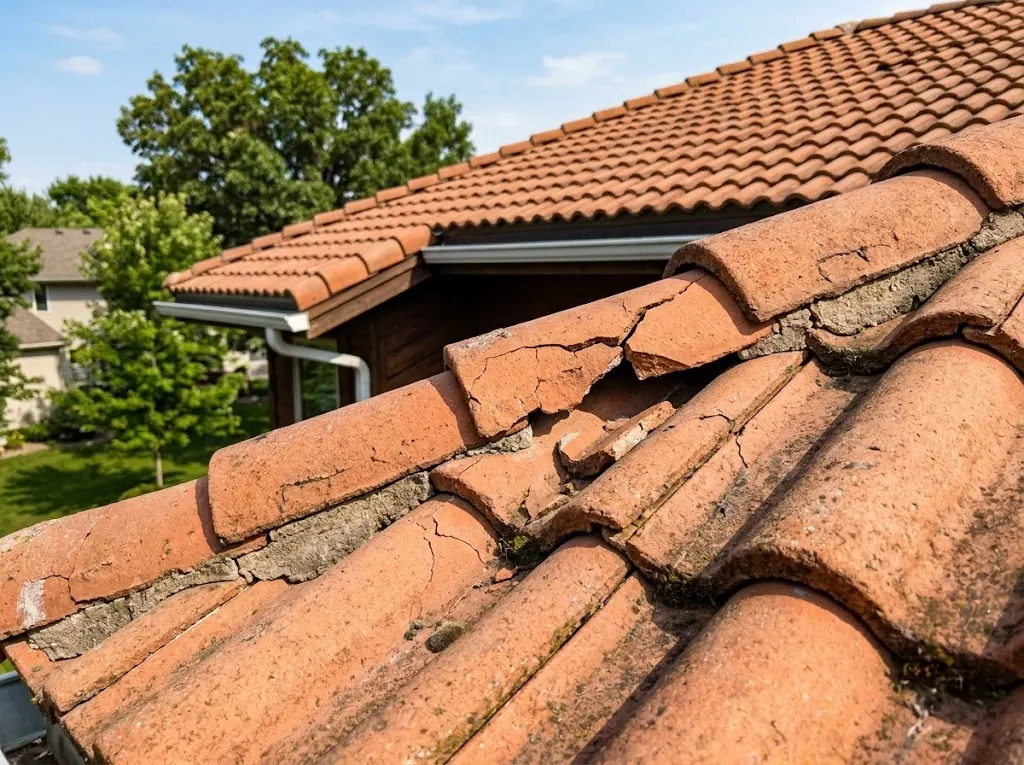
The systems that get inspected
A standard home inspection follows a consistent order so nothing gets skipped. For each system the inspector notes what is there, how it is performing and anything that looks unsafe, damaged or near the end of its life.
- Roof: covering, flashing, gutters, signs of leaks and remaining life.
- Attic: framing, decking, insulation and ventilation.
- Structure and foundation: visible framing, walls, slab, and signs of movement.
- Exterior: walls, windows, doors, grading, drainage, decks and porches.
- Electrical: service, panels, wiring, outlets and safety devices.
- Plumbing: supply and drain piping, fixtures and the water heater.
- HVAC: heating and cooling equipment and distribution.
- Interior: walls, ceilings, floors, stairs, railings and built-in appliances.
What a home inspection does not cover
Because the inspection is visual and non-invasive, some things are outside its scope. Common examples are anything concealed in walls or under floors, sewer lines underground, septic systems and wells, pools and spas unless specifically included, and code compliance. Where something can't be evaluated, a good report says so instead of staying silent.
How to read your report
Don't count findings. A report with 60 items may describe a better house than one with 15 if most of those 60 are minor maintenance notes. Focus on safety concerns, major systems near the end of their life and anything involving water. Those are the items that matter most in negotiation and in your first-year budget.
Florida-specific items
In Tampa Bay, expect extra attention to roof age (it affects insurability), electrical panels and plumbing materials that insurers flag, signs of moisture and AC condensate problems, and the quality of past additions and enclosures.
Related services
Written by Anthony Preston, Florida licensed home inspector HI18992. Updated October 2026.